
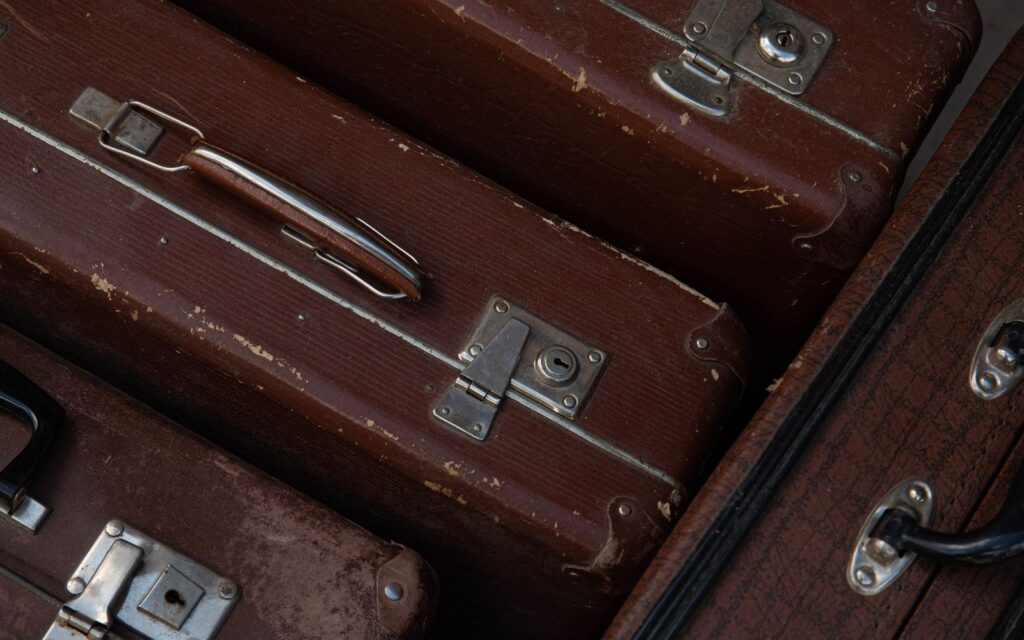
A good luggage locks and cable locks for travel decision starts before the cart. Picture the gear inside a packed bag, beside a security tray, under a seat, on a hotel floor and on the return journey. If it only works when the trip is unusually neat, it is not a strong pick.
The scenario here is a crowded terminal or hotel lobby where documents, locks, trackers and cards need to stay visible without exposing the whole bag. That route creates practical constraints: document access, lock usability, tracker placement. Use those constraints as the first filter, then compare price and brand preference after the short list is realistic.
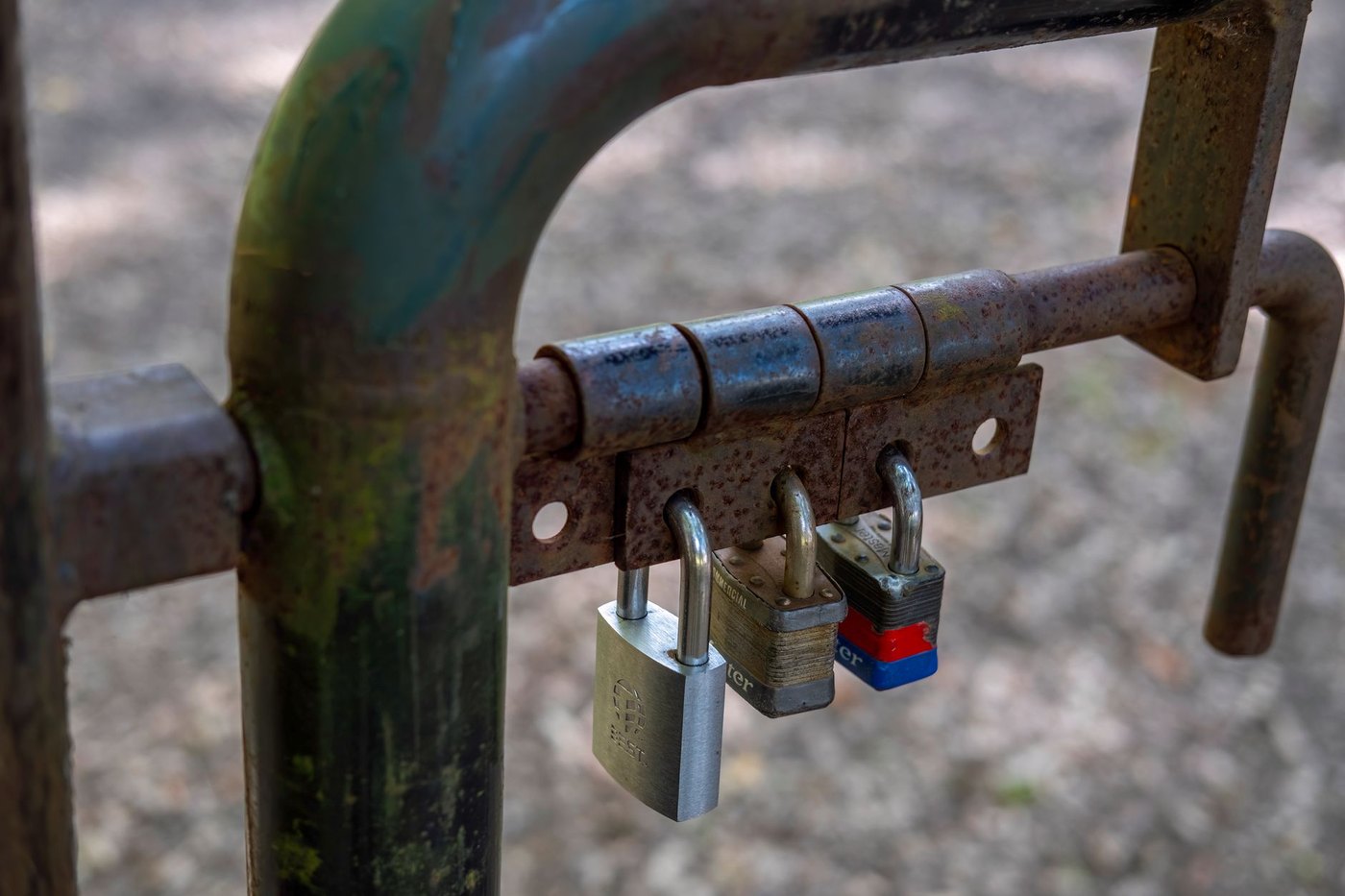
Where this gear has to prove itself
Imagine the item moving through a normal travel chain: packing at home, first lift into the car or train, airport security, boarding, under-seat or overhead storage, hotel unpacking and the return trip. Luggage Locks and Cable Locks for Travel should make at least two of those moments simpler without making another one meaningfully worse.
For security and organization, the goal is calm access under pressure: documents visible, cards protected, locks usable and trackers placed where the signal is not blocked. If a product performs only when it is empty, freshly folded, rarely opened or kept away from the rest of your kit, Trip Gear Scout treats that as a limit rather than a hidden benefit.
Best-fit shortlist logic
Best for fast airport access: passport-and-card wallet
For luggage locks and cable locks for travel, this slot should go to a passport wallet that solves document access before it chases extra features. It should also avoid the failure where a wallet that hides the boarding pass. That is recommendation logic, not a popularity contest: match the profile to the trip, then compare products inside that profile.
Best for compact packing: checked-bag tracker setup
For luggage locks and cable locks for travel, this slot should go to a luggage lock that solves lock usability before it chases extra features. It should also avoid the failure where a lock that is too fiddly to use consistently. That is recommendation logic, not a popularity contest: match the profile to the trip, then compare products inside that profile.
Best for durability-first trips: hostel cable-lock kit
For luggage locks and cable locks for travel, this slot should go to a tracker that solves tracker placement before it chases extra features. It should also avoid the failure where a tracker placed where metal blocks the signal. That is recommendation logic, not a popularity contest: match the profile to the trip, then compare products inside that profile.
Best for value if you travel a few times a year: anti-theft day bag
For luggage locks and cable locks for travel, this slot should go to a anti-theft bag that solves RFID claim realism before it chases extra features. It should also avoid the failure where security features that slow down every normal access moment. That is recommendation logic, not a popularity contest: match the profile to the trip, then compare products inside that profile.
Standards that matter more than marketing
The strongest comparison is not the longest feature list. It is the list of standards that still matter when the bag is full, the gate changes, a child needs help, the battery is low or the hotel room has almost no surface space.
- document access: verify with the item packed, not empty.
- lock usability: compare against your route rather than a studio photo.
- tracker placement: check whether the feature saves time more than once.
- RFID claim realism: look for warranty or return-policy language that matches real use.
- low-light visibility: test access with the rest of the bag already loaded.
What to compare in the listing before you buy
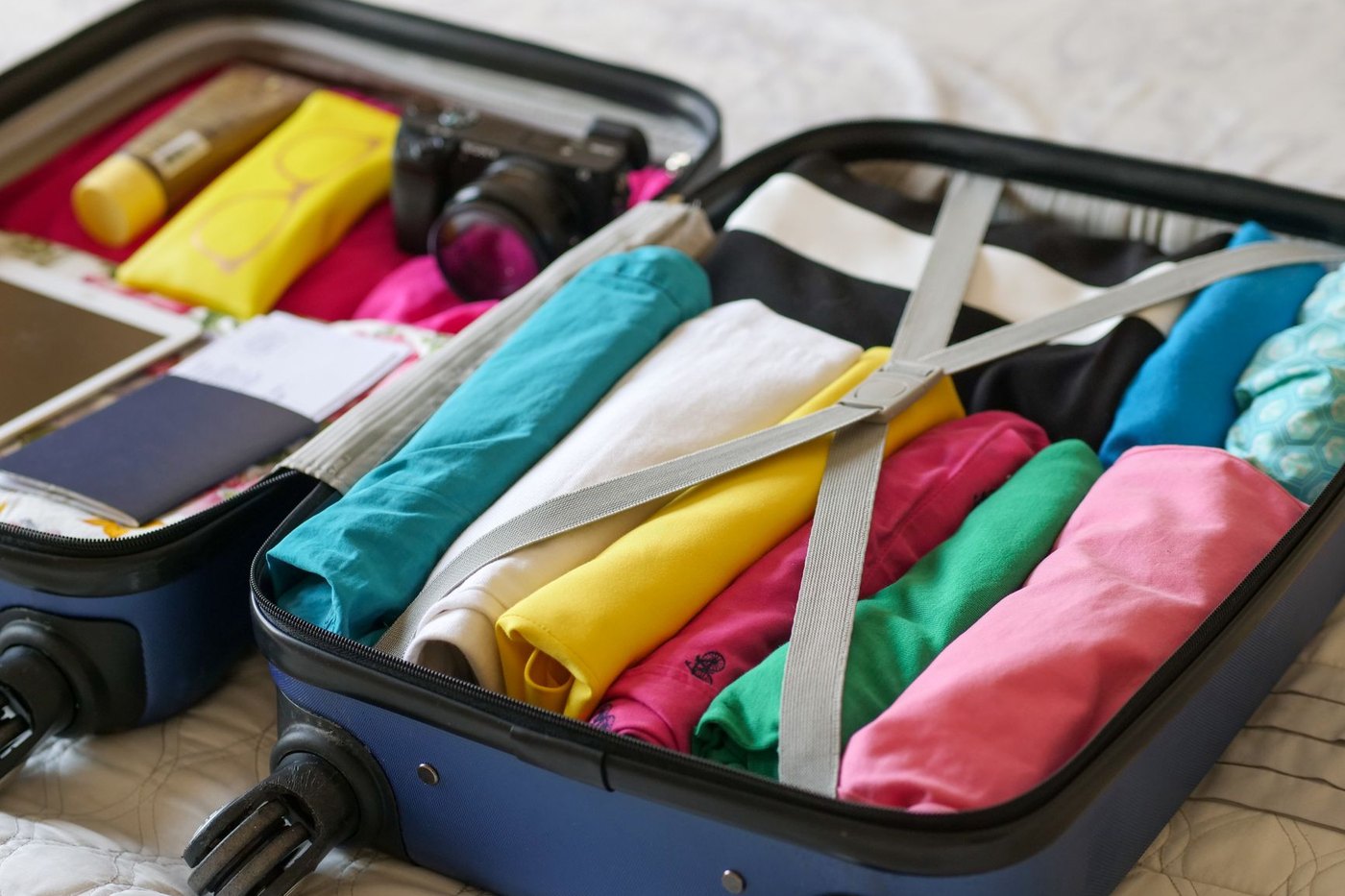
For luggage locks and cable locks for travel, the useful listing details are usually buried below the hero photo. Look for measurements that include protruding parts, material descriptions that name the fabric or shell, warranty language that says what is excluded and photos that show the item packed, opened and carried. If the listing only shows a clean studio angle, treat the missing angles as risk.
- document access: verify with the item packed, not empty.
- lock usability: compare against your route rather than a studio photo.
- tracker placement: check whether the feature saves time more than once.
- RFID claim realism: Trace the luggage locks and cable locks for travel claim to a specification or official source and test whether it still holds during a crowded airport outlet and the first hotel charge.
- low-light visibility: Place the smallest or easiest-to-lose items in the luggage locks and cable locks for travel and verify they remain visible during a crowded airport outlet and the first hotel charge.
Common failure cases to catch early
- a wallet that hides the boarding pass.
- a lock that is too fiddly to use consistently.
- a tracker placed where metal blocks the signal.
- security features that slow down every normal access moment.
These are not edge cases. They are the moments that decide whether luggage locks and cable locks for travel gets used on trip three or stays in a drawer. If an option solves a rare problem but creates a frequent one, it is a poor trade even when the price looks attractive.
Limits and rule checks before departure
Travel rules vary by airline, airport, country, train operator and security checkpoint. Use this guide to shortlist gear, then verify current restrictions before packing anything that touches batteries, liquids, sharp tools, checked-bag locks or carry-on dimensions.
- TSA What Can I Bring for current official guidance relevant to this decision.
- GOV.UK hand luggage restrictions for current official guidance relevant to this decision.
How it fits with the rest of your packing system
Do not judge luggage locks and cable locks for travel in isolation. Put it beside your personal item, charger pouch, toiletry kit, clothing cubes, document wallet and comfort layer. The best choice is the one that makes the whole setup simpler, even if a rival product has a longer feature list.
- Luggage Trackers: AirTag, Tile, and Alternatives for a related packing or buying decision.
- Passport Holders and Travel Wallets: What Actually Helps for a related packing or buying decision.
- Best Travel Gear for Flying with Kids for a related packing or buying decision.
When to keep your current setup
Keep your current setup if it already handles document access and only fails in a rare corner case. Buying a new passport wallet makes sense when it removes a repeat problem, not when it adds another pocket to manage.
The simplest comparison is the hotel-door test: can you leave the room faster, with fewer open zippers and fewer loose pieces? If the answer is no, the upgrade is mostly cosmetic.
What changes after the first trip
The first trip exposes friction that product pages hide. Zippers meet overstuffed corners, chargers heat up near other plugs, pillows have to be clipped to a bag and family pouches get opened by more than one person.
A strong luggage locks and cable locks for travel choice still makes sense after those small stresses appear. A weak one depends on perfect packing, perfect timing and a traveler who never changes plans.
How to compare two close finalists
When two finalists look similar, ignore the more dramatic feature and compare the failure you are most likely to meet. For this topic, that usually means a tracker placed where metal blocks the signal.
Choose the option whose weakness you can live with. Every travel item has a compromise, but the wrong compromise shows up every time you board, unpack or repack.
What to verify at home
Before relying on luggage locks and cable locks for travel on a longer route, load it at home with the rest of the kit and move it through the same actions you expect on the trip. Carry it, open it one-handed, repack it and place it where it will actually ride.
This short test catches misleading capacity, awkward access and overbuilt organization before the return window closes. It is a better signal than another five-star review with no packing context.
FAQ
What should I check first?
Start with the constraint most likely to ruin the trip: size for luggage, access for personal items, liquids for toiletry kits, battery rules for tech or handoff speed for family gear.
Is the lightest option usually best?
Not automatically. Choose the lightest option that still protects the contents, stays usable when packed and survives the route. A fragile light item can cost more time than it saves weight.
When should I skip the upgrade?
Skip it when the item duplicates gear you already carry, solves a problem you rarely have or adds a new packing step every time you use it. The best travel setup is often fewer items chosen more carefully.
How does Trip Gear Scout decide what to recommend?
We compare specifications, retailer information, owner feedback themes, practical packing roles, warranty language and official rule checks. When we have not tested every product hands-on, we say so and keep the analysis tied to observable criteria.
Affiliate disclosure: Trip Gear Scout may earn a commission when readers buy through some links. This does not change the price you pay and does not change our editorial criteria.