
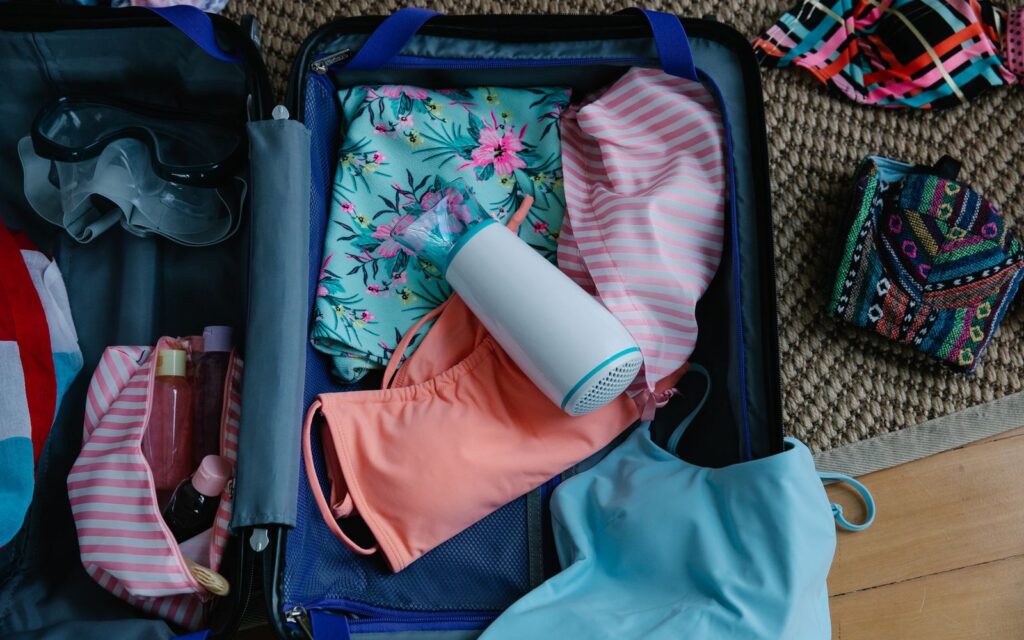
This guide treats packing cubes for carry-on travel as working equipment. The product has to fit the route, not the other way around. Capacity, access, rule checks and repacking speed matter more than a discount badge or a polished lifestyle photo.
The scenario here is a carry-on-only itinerary where clothes, liquids, shoes, laundry and chargers need separate homes without turning the suitcase into a pouch museum. That route creates practical constraints: cube dimensions against the suitcase half-shell, mesh visibility, zipper strength under compression. Use those constraints as the first filter, then compare price and brand preference after the short list is realistic.
The travel sequence behind the recommendation
Imagine the item moving through a normal travel chain: packing at home, first lift into the car or train, airport security, boarding, under-seat or overhead storage, hotel unpacking and the return trip. Packing Cubes for Carry-On Travel should make at least two of those moments simpler without making another one meaningfully worse.
For luggage structure, measure the packed bag and watch the parts listings minimize: wheels, handles, zipper bulge, expansion panels and corner protection. If a product performs only when it is empty, freshly folded, rarely opened or kept away from the rest of your kit, Trip Gear Scout treats that as a limit rather than a hidden benefit.
Quick picks by use case
Best overall: medium structured cube set
A small set of medium cubes is easier to move between suitcases and hotel drawers than a large collection of specialized pouches. Choose dimensions that fill the flat half of your usual carry-on without covering the wheel housings.
Best lightweight: mesh zip cubes
Light mesh cubes work best for travelers who want visibility and separation without adding much weight. Check the zipper track while the cube is full, because thin fabric saves weight only when seams and corners remain stable.
Best compression: double-zip compression cubes
Compression cubes suit bulky clothing and longer trips, but they can increase density without reducing total weight. Use them when volume is the constraint, then weigh the finished carry-on before departure.
Best budget: three-piece set matched to one suitcase
A basic three-piece set is enough when the sizes correspond to the suitcase rather than an abstract small-medium-large label. Budget buyers should favor smooth zippers and washable fabric over extra handles, labels or shoe compartments.
Who should skip this category
Skip packing cubes if rolled clothing already stays organized in your bag or if the cube set creates empty corners that are harder to use. Travelers who unpack directly into drawers may need only one laundry cube rather than a full system.
Standards that matter more than marketing
The strongest comparison is not the longest feature list. It is the list of standards that still matter when the bag is full, the gate changes, a child needs help, the battery is low or the hotel room has almost no surface space.
- cube dimensions against the suitcase half-shell: verify with the item packed, not empty.
- mesh visibility: compare against your route rather than a studio photo.
- zipper strength under compression: check whether the feature saves time more than once.
- liquids-bag access: look for warranty or return-policy language that matches real use.
- laundry separation after day two: test access with the rest of the bag already loaded.
What to compare in the listing before you buy
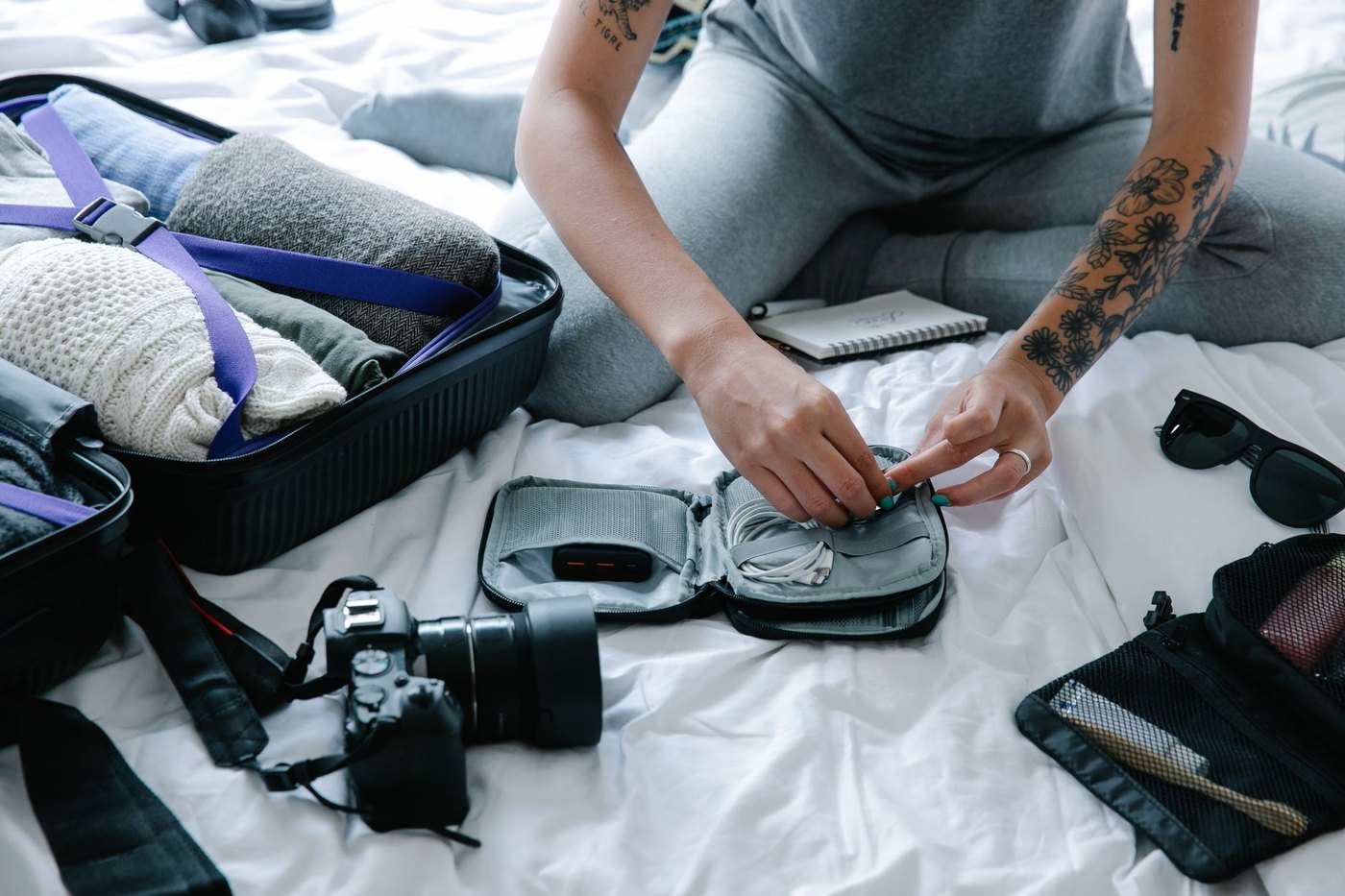
For packing cubes for carry-on travel, the useful listing details are usually buried below the hero photo. Look for measurements that include protruding parts, material descriptions that name the fabric or shell, warranty language that says what is excluded and photos that show the item packed, opened and carried. If the listing only shows a clean studio angle, treat the missing angles as risk.
- cube dimensions against the suitcase half-shell: Load the packing cubes for carry-on travel with clothing cubes, a liquids bag, shoes and the return-trip laundry load, then measure the complete packed footprint before accepting the listed dimensions.
- mesh visibility: compare against your route rather than a studio photo.
- zipper strength under compression: Recheck the packing cubes for carry-on travel after security repacking and the second hotel unpack, and reject any option that creates empty suitcase corners or hides the item needed first.
- liquids-bag access: Stage clothing cubes, a liquids bag, shoes and the return-trip laundry load inside the packing cubes for carry-on travel and confirm the needed item stays reachable during security repacking and the second hotel unpack.
- laundry separation after day two: Divide clothing cubes, a liquids bag, shoes and the return-trip laundry load into clear zones inside the packing cubes for carry-on travel, then confirm the separation still works after security repacking and the second hotel unpack.
Skip signals from real travel use
- compression cubes that save volume but create overweight bags.
- toiletry kits that stand only in product photos.
- shoe bags that waste suitcase corners.
- organizers that hide the item needed first at security.
These are not edge cases. They are the moments that decide whether packing cubes for carry-on travel gets used on trip three or stays in a drawer. If an option solves a rare problem but creates a frequent one, it is a poor trade even when the price looks attractive.
Limits and rule checks before departure
Travel rules vary by airline, airport, country, train operator and security checkpoint. Use this guide to shortlist gear, then verify current restrictions before packing anything that touches batteries, liquids, sharp tools, checked-bag locks or carry-on dimensions.
- TSA liquids rule for current official guidance relevant to this decision.
- GOV.UK hand luggage restrictions for current official guidance relevant to this decision.
- TSA What Can I Bring for current official guidance relevant to this decision.
How it fits with the rest of your packing system
Do not judge packing cubes for carry-on travel in isolation. Put it beside your personal item, charger pouch, toiletry kit, clothing cubes, document wallet and comfort layer. The best choice is the one that makes the whole setup simpler, even if a rival product has a longer feature list.
- Packing Checklist for Long Weekend Trips for a related packing or buying decision.
- Shoe Bags, Laundry Bags, and Small Organizers That Actually Help for a related packing or buying decision.
- Best Luggage Locks and Cable Locks for Travel for a related packing or buying decision.
Editor shortlist process for this pillar guide
For a pillar topic, the shortlist should include at least one light option, one durable option, one access-first option and one value option. Each candidate must be checked against the same route scenario so the comparison does not become a random list of attractive products.
The final recommendation logic is a match between trip length, bag allowance, device load, weather, family or work obligations and the amount of repacking the traveler can tolerate. A top pick for a one-night laptop trip can be the wrong pick for a family connection or a two-week train route.
The budget line that matters
A lower price is useful only when the item still passes the travel job. A higher price is defensible only when the material, access, warranty or rule-sensitive design solves a problem cheaper options repeatedly fail.
Use the budget to narrow the field, then let the route decide. That keeps the recommendation grounded in travel behavior instead of price anchoring.
Route-specific buying note
For packing cubes for carry-on travel, compare the product against one concrete route before treating it as generally better. A weekend flight with one under-seat bag rewards access and low weight, while a family connection rewards handoff speed and simple repacking. A work trip rewards laptop protection and charger access.
The right shortlist changes when the constraint changes. Write the route on a note, then remove any option that only wins in a product photo and not in that actual sequence.
When to keep your current setup
Keep your current setup if it already handles cube dimensions against the suitcase half-shell and only fails in a rare corner case. Buying a new cube set makes sense when it removes a repeat problem, not when it adds another pocket to manage.
The simplest comparison is the hotel-door test: can you leave the room faster, with fewer open zippers and fewer loose pieces? If the answer is no, the upgrade is mostly cosmetic.
What changes after the first trip
The first trip exposes friction that product pages hide. Zippers meet overstuffed corners, chargers heat up near other plugs, pillows have to be clipped to a bag and family pouches get opened by more than one person.
A strong packing cubes for carry-on travel choice still makes sense after those small stresses appear. A weak one depends on perfect packing, perfect timing and a traveler who never changes plans.
How to compare two close finalists
When two finalists look similar, ignore the more dramatic feature and compare the failure you are most likely to meet. For this topic, that usually means shoe bags that waste suitcase corners.
Choose the option whose weakness you can live with. Every travel item has a compromise, but the wrong compromise shows up every time you board, unpack or repack.
What to verify at home
Before relying on packing cubes for carry-on travel on a longer route, load it at home with the rest of the kit and move it through the same actions you expect on the trip. Carry it, open it one-handed, repack it and place it where it will actually ride.
This short test catches misleading capacity, awkward access and overbuilt organization before the return window closes. It is a better signal than another five-star review with no packing context.
How the shortlist changes by traveler type
A pillar guide needs more than one winner because travelers do not carry the same constraints. For packing cubes for carry-on travel, separate the short list into at least four lanes: a light lane for short solo trips, a durable lane for rougher transfers, an access-first lane for work or family handoffs and a value lane for travelers who need reliability without paying for rarely used features.
Use the same scoring questions in every lane: what fails when the item is packed fully, what slows down security or boarding, what becomes annoying at the hotel and what rule check must be confirmed before departure. This keeps the recommendation useful without pretending one product type fits every route.
FAQ
What should I check first?
Start with the constraint most likely to ruin the trip: size for luggage, access for personal items, liquids for toiletry kits, battery rules for tech or handoff speed for family gear.
Is the lightest option usually best?
Not automatically. Choose the lightest option that still protects the contents, stays usable when packed and survives the route. A fragile light item can cost more time than it saves weight.
When should I skip the upgrade?
Skip it when the item duplicates gear you already carry, solves a problem you rarely have or adds a new packing step every time you use it. The best travel setup is often fewer items chosen more carefully.
How does Trip Gear Scout decide what to recommend?
We compare specifications, retailer information, owner feedback themes, practical packing roles, warranty language and official rule checks. When we have not tested every product hands-on, we say so and keep the analysis tied to observable criteria.
Affiliate disclosure: Trip Gear Scout may earn a commission when readers buy through some links. This does not change the price you pay and does not change our editorial criteria.