
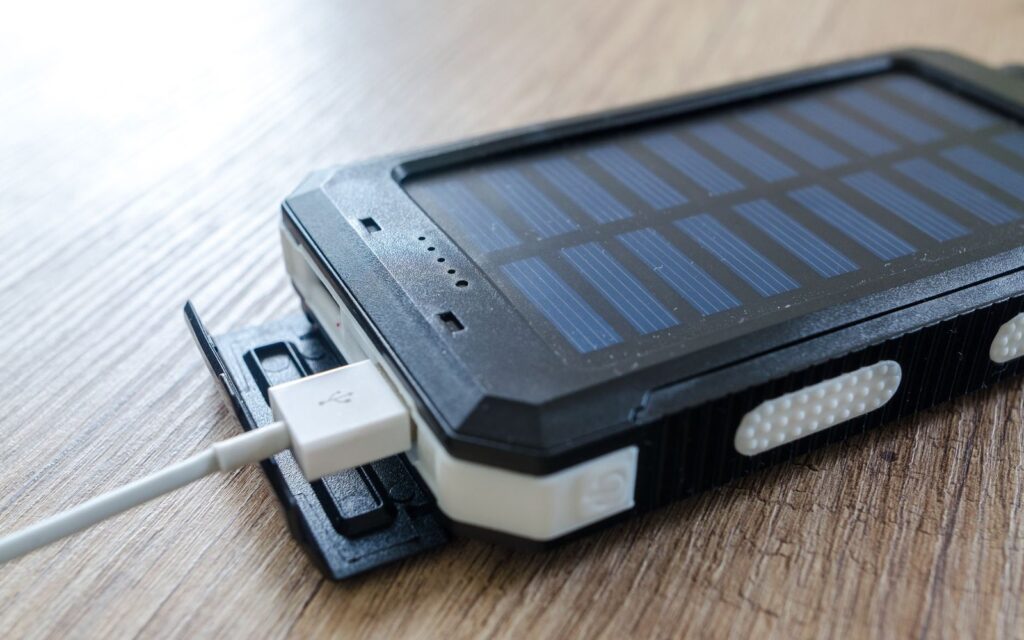
A good travel adapters for us and uk travelers decision starts before the cart. Picture the gear inside a packed bag, beside a security tray, under a seat, on a hotel floor and on the return journey. If it only works when the trip is unusually neat, it is not a strong pick.
The scenario here is a same-week work trip where the laptop, charger, clothing and meeting layer must move from airport to hotel desk without repacking chaos. That route creates practical constraints: laptop protection, charger access, wrinkle control. Use those constraints as the first filter, then compare price and brand preference after the short list is realistic.
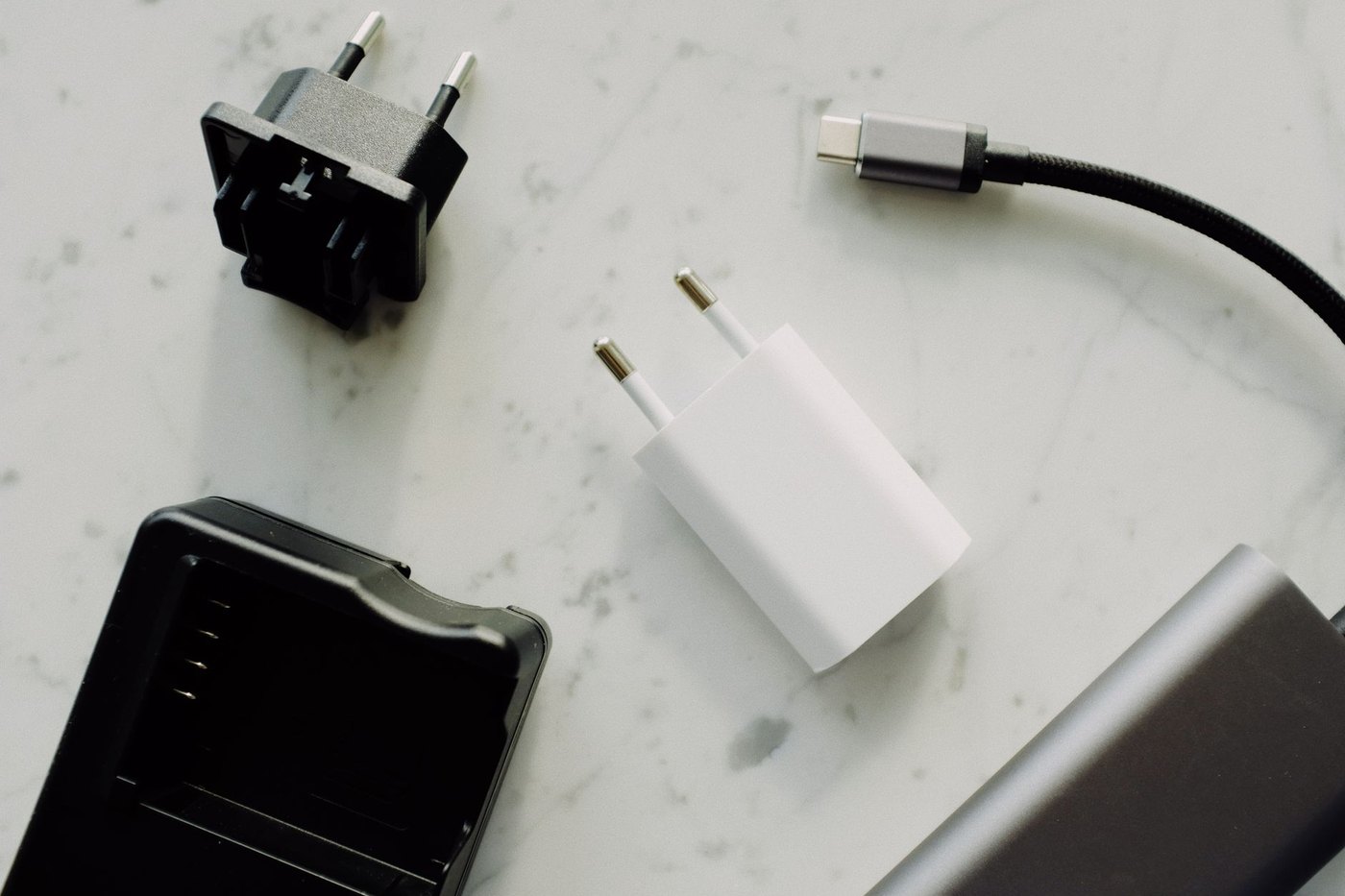
Where this gear has to prove itself
Imagine the item moving through a normal travel chain: packing at home, first lift into the car or train, airport security, boarding, under-seat or overhead storage, hotel unpacking and the return trip. Travel Adapters for US and UK Travelers should make at least two of those moments simpler without making another one meaningfully worse.
For charging gear, compare wattage, port spacing, cable length and airline battery rules before comparing color or finish. Compact is not compact if it blocks the next outlet. If a product performs only when it is empty, freshly folded, rarely opened or kept away from the rest of your kit, Trip Gear Scout treats that as a limit rather than a hidden benefit.
Quick picks by use case
Best overall: grounded universal adapter with USB-C
A grounded universal adapter is the most flexible profile for travelers crossing several plug regions. Confirm the supported countries, total USB output, fuse arrangement and whether the device preserves grounding for the equipment you intend to connect.
Best for a laptop: high-output USB-C travel charger
For USB-C laptops, a charger with interchangeable regional plugs is often cleaner than stacking a laptop brick onto a universal adapter. Match the wattage to the computer and leave headroom for a phone or tablet sharing the charger.
Best lightweight: single-region plug adapter
A single-region adapter is the lightest sensible choice when the itinerary stays in one plug system and every device is already dual voltage. It removes sliders and unused sockets, but it does not convert voltage.
Best budget: compact plug-only adapter set
A plug-only set is economical for dual-voltage phone chargers and small electronics. Check that the pins lock firmly, the adapter does not sag from the wall and no traveler mistakes plug-shape compatibility for voltage conversion.
Who should skip this category
Skip a universal adapter when a single-region plug is enough or when your device requires voltage conversion rather than a different plug shape. High-draw appliances and grounded equipment need their own compatibility check before travel.
Buying criteria that decide the shortlist
Use the same checks for every candidate so the comparison stays tied to the trip rather than retailer presentation.
- Plug coverage: verify the exact countries and socket types on the itinerary instead of trusting a worldwide label.
- Grounding: confirm whether the adapter preserves an earth connection for the equipment that requires it.
- USB-C output: match total and per-port wattage to the laptop, phone and tablet that may charge together.
- Mechanical fit: check that sliders lock firmly and that the adapter does not sag or block the neighboring outlet.
- Voltage limits: confirm every connected device is dual voltage because a plug adapter does not convert voltage.
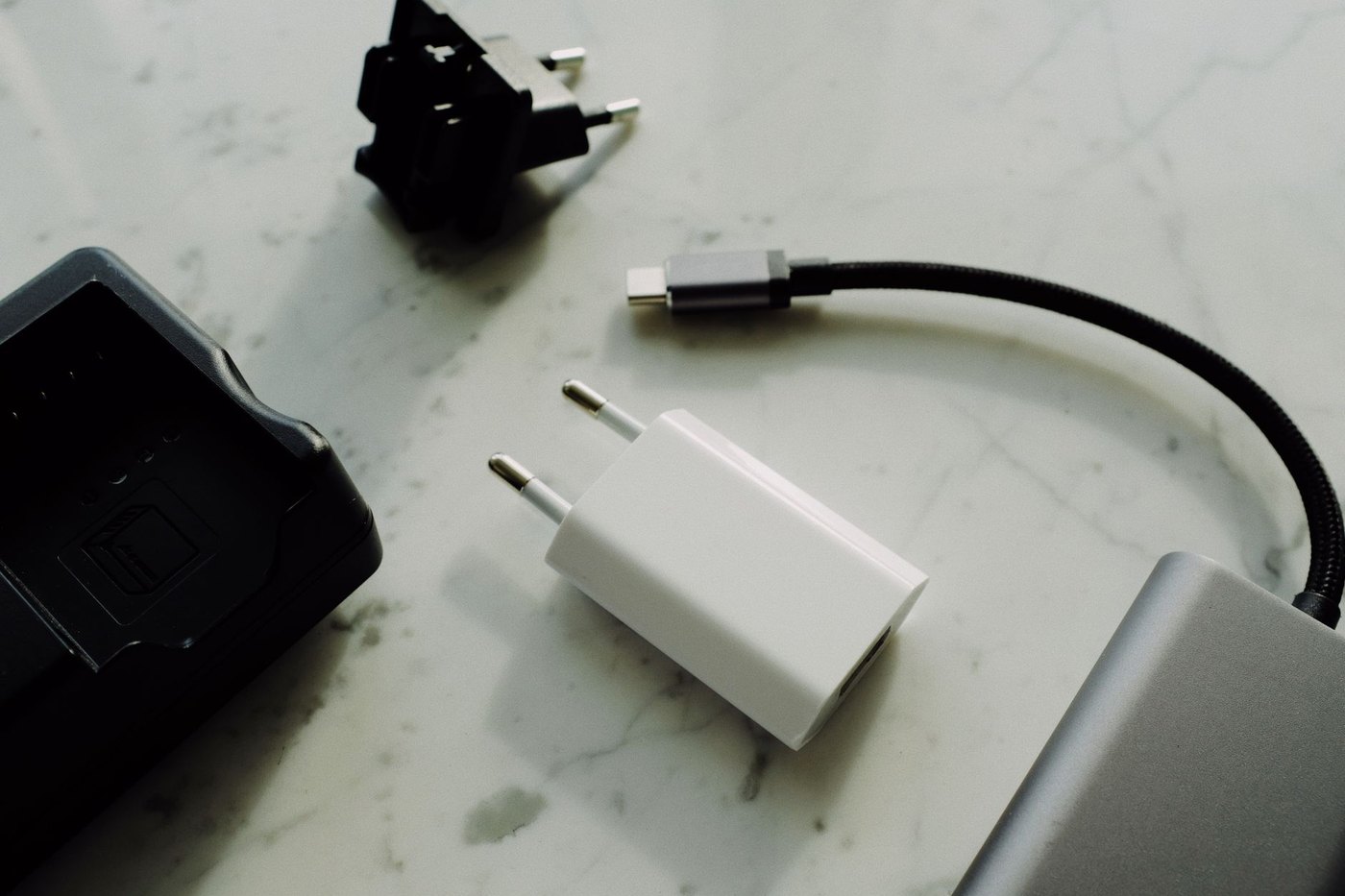
How to compare close finalists
When two options appear similar, compare the loaded setup and the route-specific failure that would be hardest to tolerate.
- Route map: list the plug standards used at each stop and remove adapters that cover regions not on the trip.
- Shared charging test: connect the normal device set and verify how power is divided across simultaneous USB ports.
- Wall clearance: test the adapter with the actual charger cables so weight and neighboring sockets are represented.
- Safety details: inspect fuse information, shutter design and stated electrical ratings rather than relying on travel icons.
- Appliance check: separate low-power electronics from hair tools or other devices that may need voltage conversion.
Failure cases to catch early
- A universal slider feels secure when empty but retracts or leans after a heavy charger is connected.
- The adapter advertises high total wattage while one USB-C port cannot supply the laptop’s required power.
- A bulky body blocks the second hotel outlet, forcing several devices onto one crowded charger.
- The traveler assumes plug-shape compatibility changes voltage and connects an appliance that is not dual voltage.
These failures matter because they repeat during ordinary travel, not because they are rare edge cases.
Limits and rule checks before departure
Travel rules vary by airline, airport, country, train operator and security checkpoint. Use this guide to shortlist gear, then verify current restrictions before packing anything that touches batteries, liquids, sharp tools, checked-bag locks or carry-on dimensions.
- FAA PackSafe lithium batteries for current official guidance relevant to this decision.
- GOV.UK hand luggage restrictions for current official guidance relevant to this decision.
- TSA What Can I Bring for current official guidance relevant to this decision.
How it fits with the rest of your packing system
Do not judge travel adapters for us and uk travelers in isolation. Put it beside your personal item, charger pouch, toiletry kit, clothing cubes, document wallet and comfort layer. The best choice is the one that makes the whole setup simpler, even if a rival product has a longer feature list.
- Cable Organizer Pouches for Travel Tech for a related packing or buying decision.
- USB-C Chargers for Travel: What Wattage Makes Sense? for a related packing or buying decision.
- Best Luggage Locks and Cable Locks for Travel for a related packing or buying decision.
Editor shortlist process for this pillar guide
For a pillar topic, the shortlist should include at least one light option, one durable option, one access-first option and one value option. Each candidate must be checked against the same route scenario so the comparison does not become a random list of attractive products.
The final recommendation logic is a match between trip length, bag allowance, device load, weather, family or work obligations and the amount of repacking the traveler can tolerate. A top pick for a one-night laptop trip can be the wrong pick for a family connection or a two-week train route.
What to verify at home
Before relying on travel adapters for us and uk travelers on a longer route, load it at home with the rest of the kit and move it through the same actions you expect on the trip. Carry it, open it one-handed, repack it and place it where it will actually ride.
This short test catches misleading capacity, awkward access and overbuilt organization before the return window closes. It is a better signal than another five-star review with no packing context.
The budget line that matters
A lower price is useful only when the item still passes the travel job. A higher price is defensible only when the material, access, warranty or rule-sensitive design solves a problem cheaper options repeatedly fail.
Use the budget to narrow the field, then let the route decide. That keeps the recommendation grounded in travel behavior instead of price anchoring.
Route-specific buying note
For travel adapters for us and uk travelers, compare the product against one concrete route before treating it as generally better. A weekend flight with one under-seat bag rewards access and low weight, while a family connection rewards handoff speed and simple repacking. A work trip rewards laptop protection and charger access.
The right shortlist changes when the constraint changes. Write the route on a note, then remove any option that only wins in a product photo and not in that actual sequence.
When to keep your current setup
Keep your current setup if it already handles laptop protection and only fails in a rare corner case. Buying a new laptop backpack makes sense when it removes a repeat problem, not when it adds another pocket to manage.
The simplest comparison is the hotel-door test: can you leave the room faster, with fewer open zippers and fewer loose pieces? If the answer is no, the upgrade is mostly cosmetic.
What changes after the first trip
The first trip exposes friction that product pages hide. Zippers meet overstuffed corners, chargers heat up near other plugs, pillows have to be clipped to a bag and family pouches get opened by more than one person.
A strong travel adapters for us and uk travelers choice still makes sense after those small stresses appear. A weak one depends on perfect packing, perfect timing and a traveler who never changes plans.
How to compare two close finalists
When two finalists look similar, ignore the more dramatic feature and compare the failure you are most likely to meet. For this topic, that usually means a meeting bag that cannot ride securely on a roller.
Choose the option whose weakness you can live with. Every travel item has a compromise, but the wrong compromise shows up every time you board, unpack or repack.
How the shortlist changes by traveler type
A pillar guide needs more than one winner because travelers do not carry the same constraints. For travel adapters for us and uk travelers, separate the short list into at least four lanes: a light lane for short solo trips, a durable lane for rougher transfers, an access-first lane for work or family handoffs and a value lane for travelers who need reliability without paying for rarely used features.
Use the same scoring questions in every lane: what fails when the item is packed fully, what slows down security or boarding, what becomes annoying at the hotel and what rule check must be confirmed before departure. This keeps the recommendation useful without pretending one product type fits every route.
FAQ
What should I check first?
Start with the constraint most likely to ruin the trip: size for luggage, access for personal items, liquids for toiletry kits, battery rules for tech or handoff speed for family gear.
Is the lightest option usually best?
Not automatically. Choose the lightest option that still protects the contents, stays usable when packed and survives the route. A fragile light item can cost more time than it saves weight.
When should I skip the upgrade?
Skip it when the item duplicates gear you already carry, solves a problem you rarely have or adds a new packing step every time you use it. The best travel setup is often fewer items chosen more carefully.
How does Trip Gear Scout decide what to recommend?
We compare specifications, retailer information, owner feedback themes, practical packing roles, warranty language and official rule checks. When we have not tested every product hands-on, we say so and keep the analysis tied to observable criteria.
Affiliate disclosure: Trip Gear Scout may earn a commission when readers buy through some links. This does not change the price you pay and does not change our editorial criteria.