FAA PackSafe Explained: Dangerous Goods You Can and Cannot Pack
TSA screens for security threats. The FAA regulates hazardous materials. Here is how the FAA side works.
We may earn a commission when you buy through links on this page, at no extra cost to you. This does not change which products we cover. How we make money.
Two agencies, two rulebooks
The FAA says TSA rules on prohibited items address security threats, while FAA dangerous goods rules address safety. An item can pass one and fail the other, so check both. For TSA items, see our guides to liquids, knives and scissors and alcohol.
What counts as hazardous
The FAA lists everyday items, from lithium batteries to aerosol whipped cream. In flight, vibration, static, and changes in temperature and pressure can make them leak, give off toxic fumes, catch fire or explode. The categories include explosives, gases, flammable liquids and solids, oxidizers, toxic and infectious materials, radioactive materials and corrosives.
The FAA says most dangerous goods are forbidden in both carry-on and checked bags, with exceptions for some personal items such as toiletries, medicines and assistive devices. Its rule of thumb: when in doubt, leave it out.
Batteries
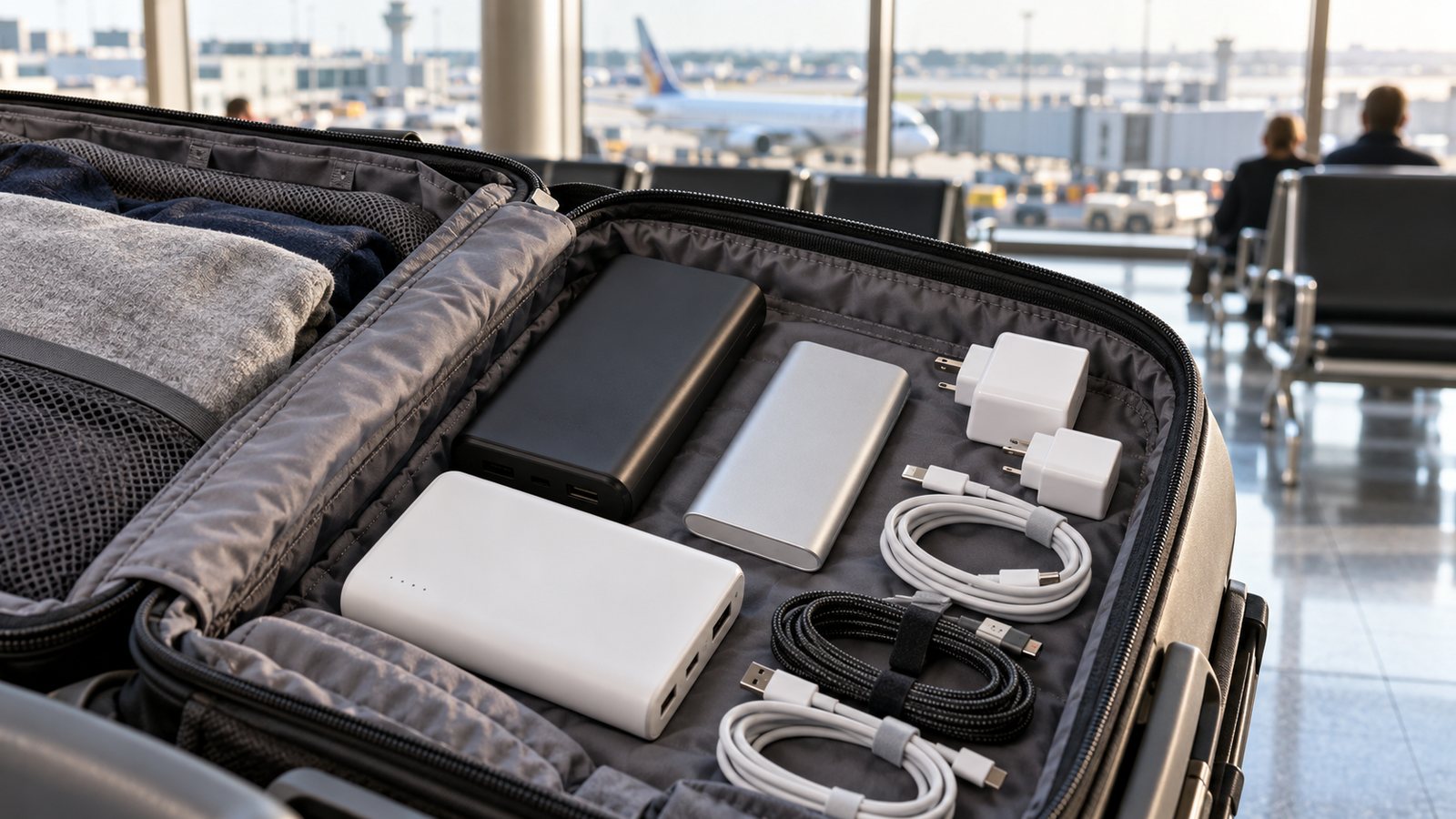
- Power banks, power stations and generators over 160 Wh are not allowed on passenger aircraft.
- Power banks, spare batteries and lithium batteries under 160 Wh must stay with you in the cabin.
- Damaged or recalled batteries cannot fly unless removed or made safe.
Full limits, including the 100 Wh line, are in our power bank rules.
Frequently asked questions
Can I fly with a portable power station?
Not if it is over 160 Wh. The FAA says power banks, power stations and generators above 160 Wh are not allowed on passenger aircraft.
Are TSA and FAA rules the same?
No. The FAA says TSA prohibited-item rules cover security threats and are separate from FAA dangerous goods safety rules, though they sometimes overlap.