TSA Screening With a Disability or Medical Condition
What to tell the officer and what to expect, from TSA Cares.
We may earn a commission when you buy through links on this page, at no extra cost to you. This does not change which products we cover. How we make money.
Everyone and their bags must be screened. TSA says you or a companion can talk to the officer about the best way to get through.
Telling the officer
You can tell the officer about a disability or condition out loud, with a TSA Notification Card, or with medical documentation.
Body scanner or pat-down
To use the body scanner (Advanced Imaging Technology), you must stand and walk unassisted and hold your arms above your head, feet shoulder width apart, for five to seven seconds. If you do not want the scanner, you get a pat-down by an officer of the same sex, which means removing shoes, belts or light jackets.
Specific situations
- Bandages, compression sleeves, dressings: tell the officer first. Expect inspection and a test for explosive traces.
- Blind or low vision: canes and Braille note-takers go through X-ray. Ask to be reunited with them right away.
- Deaf or hard of hearing: hearing aids and cochlear implants stay in.
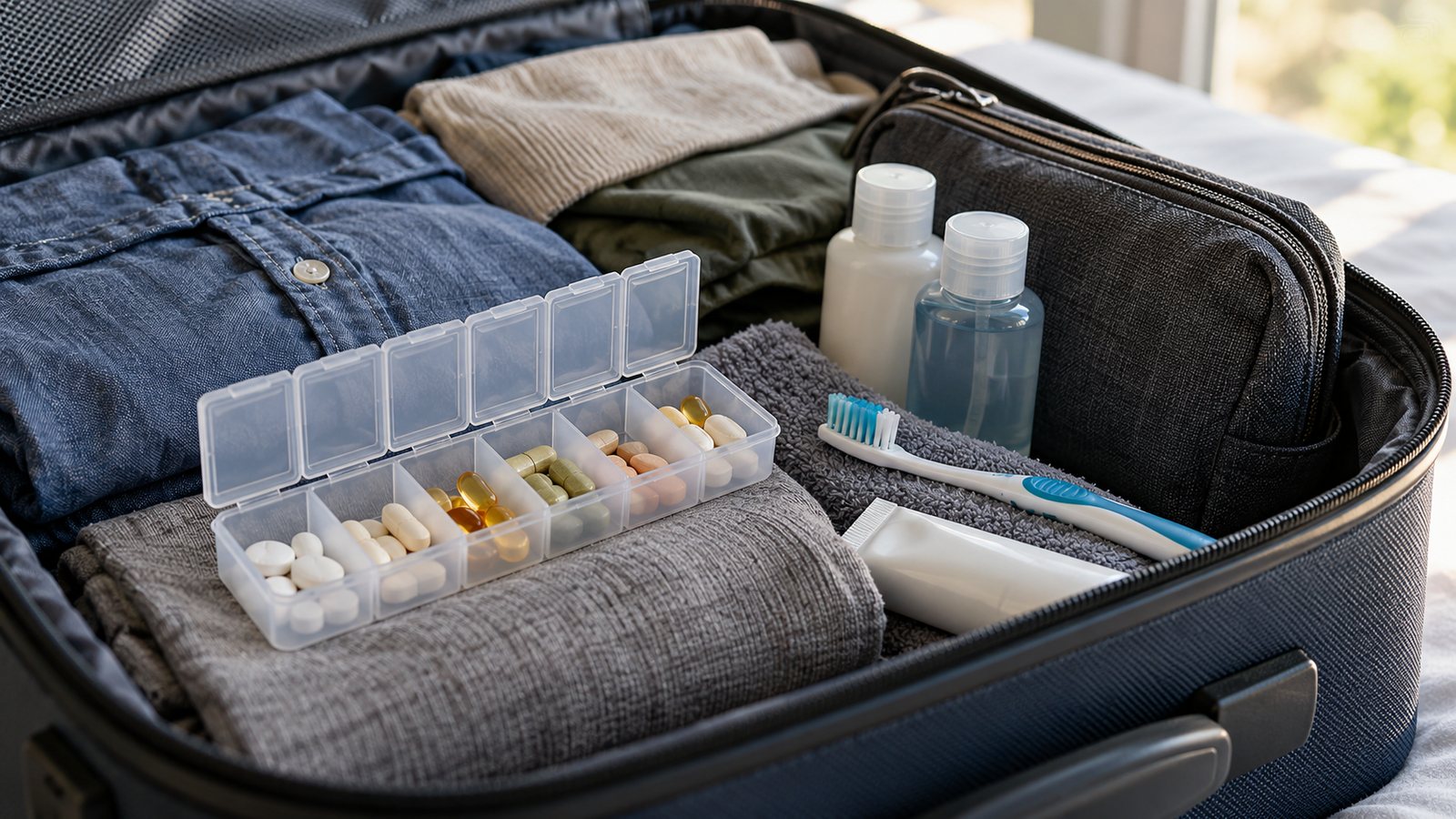
- Medication: pills are allowed in carry-on and checked bags. Medically necessary liquids are exempt from 3-1-1.
Frequently asked questions
Do I have to remove hearing aids?
No. TSA says you do not need to remove hearing aids or cochlear implants.
Can I bring pills in my carry-on?
Yes. TSA allows medication pills in carry-on and checked bags.
Who does a pat-down?
A TSA officer of the same sex.